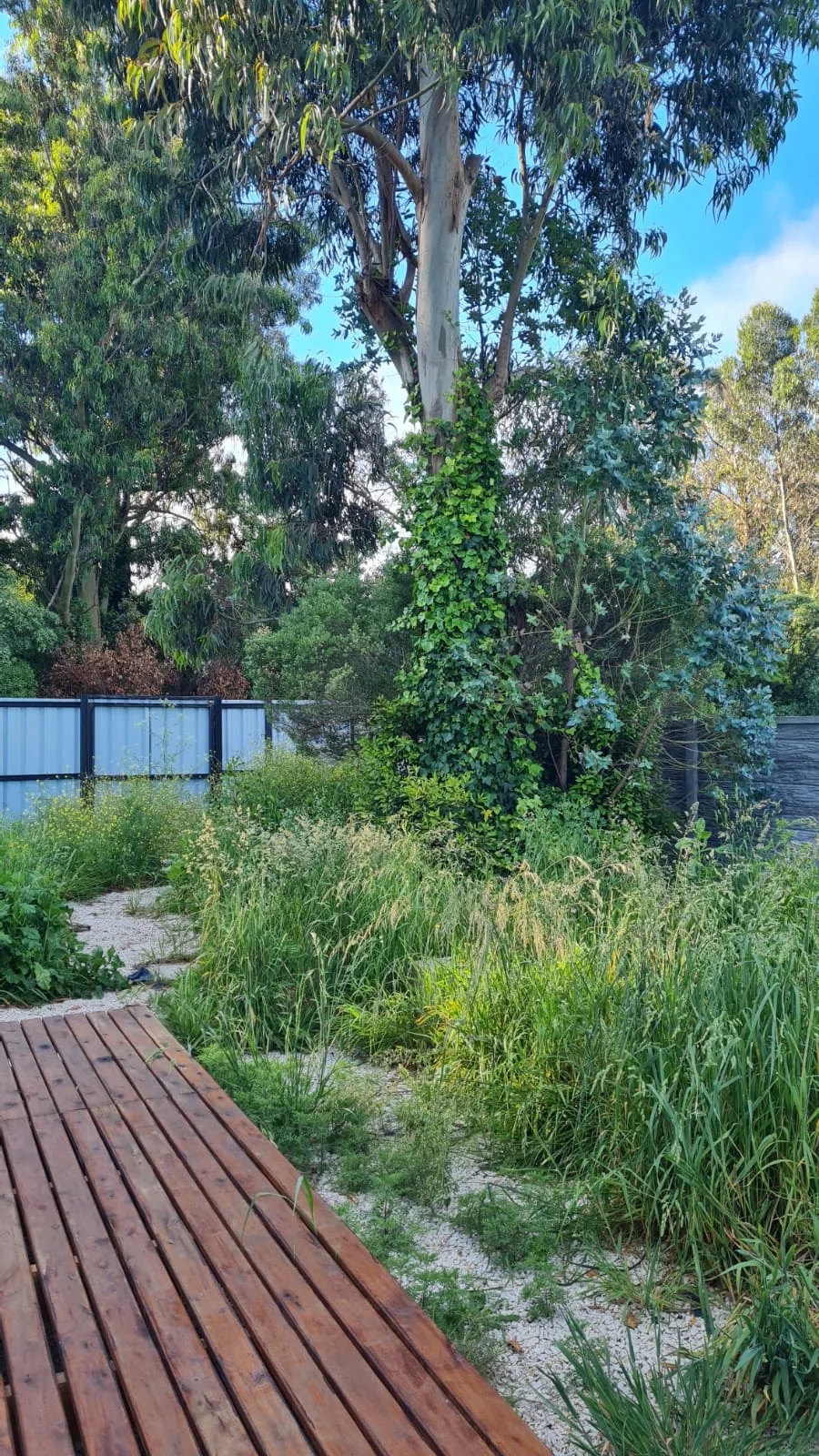
Tallo researches how to bring it into construction: a ventilated skin for modular buildings, with a shipping container as the first case study.
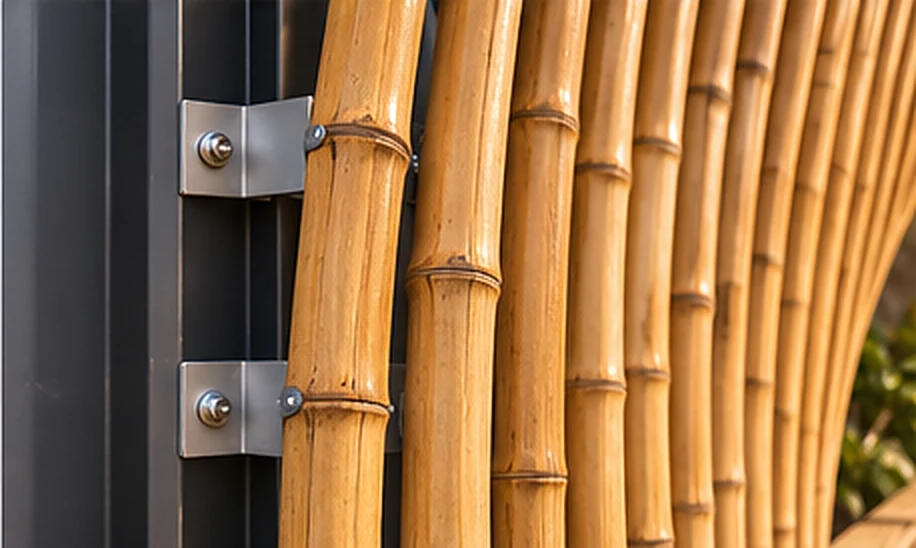
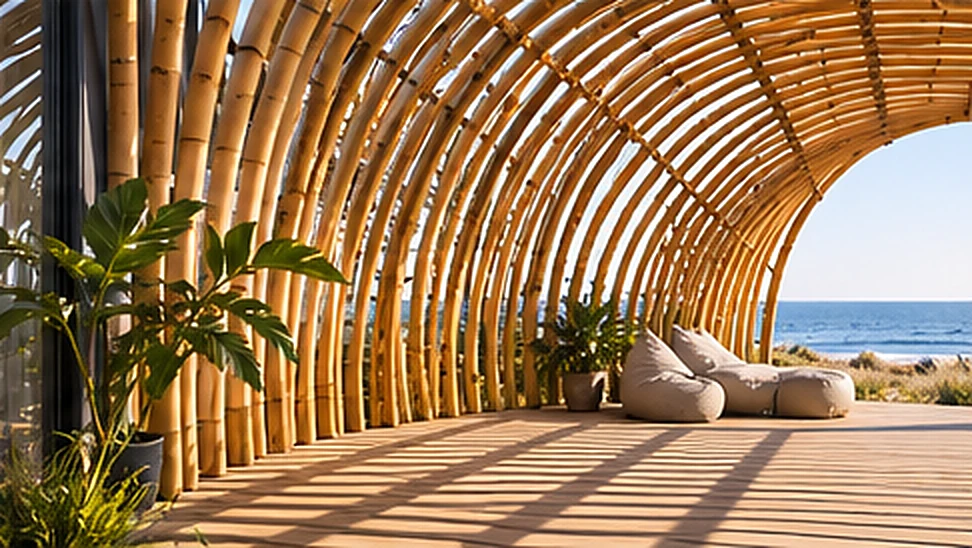
Image: digitally generated concept reference. Not a built prototype.
For years, bamboo has been tied to tropical destinations, hotels, pergolas, furniture and decoration.
What if we started treating it as part of the construction industry? What if it could work alongside steel, timber and modular systems to solve real problems: shading from the sun, improving ventilation and making temporary buildings more adaptable?
We want to explore those possibilities from a different context: the Argentine coast.
We don't want bamboo to be just something nice to look at.
The first case study combines three layers: a support structure, an air gap and an outer bamboo lattice. The hypothesis is that this skin can shade and ventilate the container, improving thermal comfort without mechanical equipment.
The container is the first case, not the limit: the goal is a system that can adapt to other modular and temporary buildings.
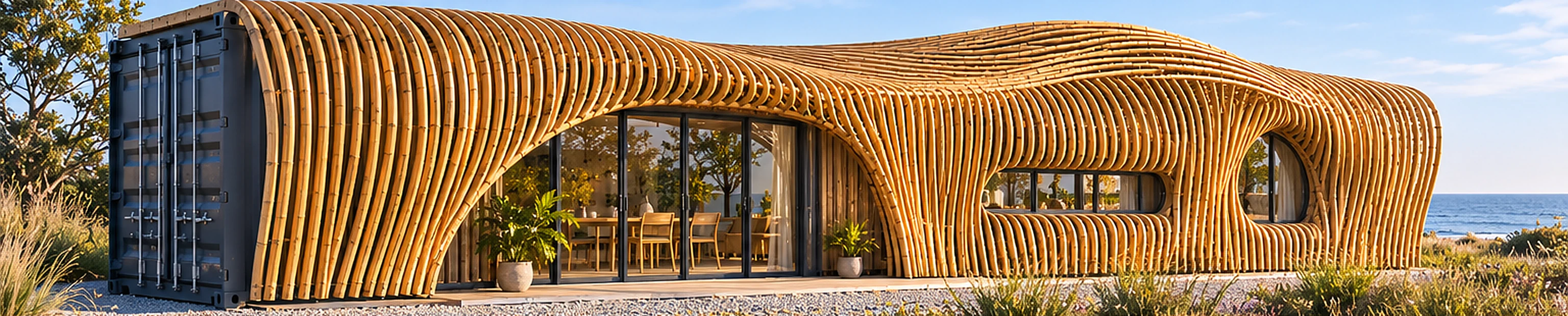
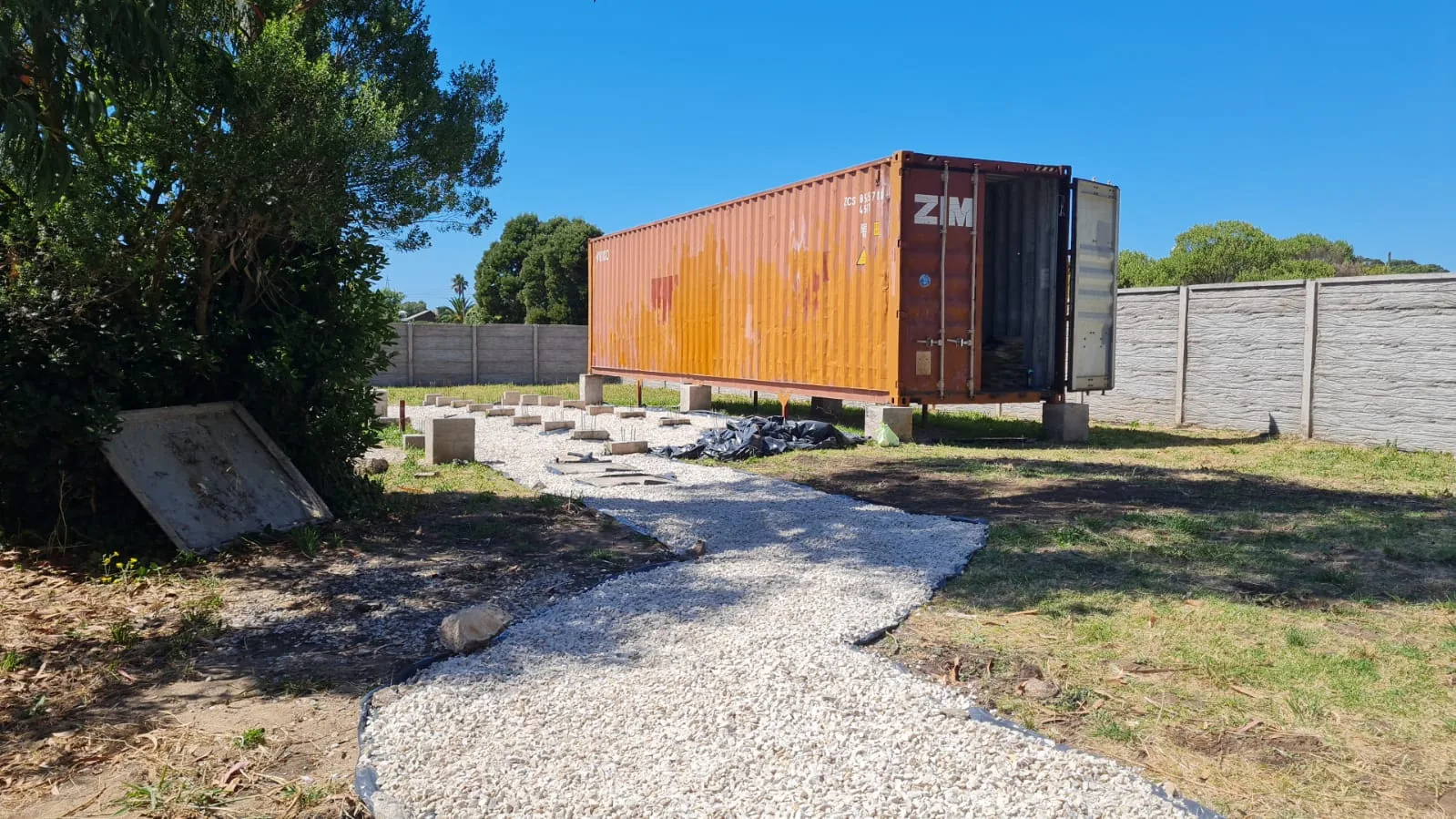
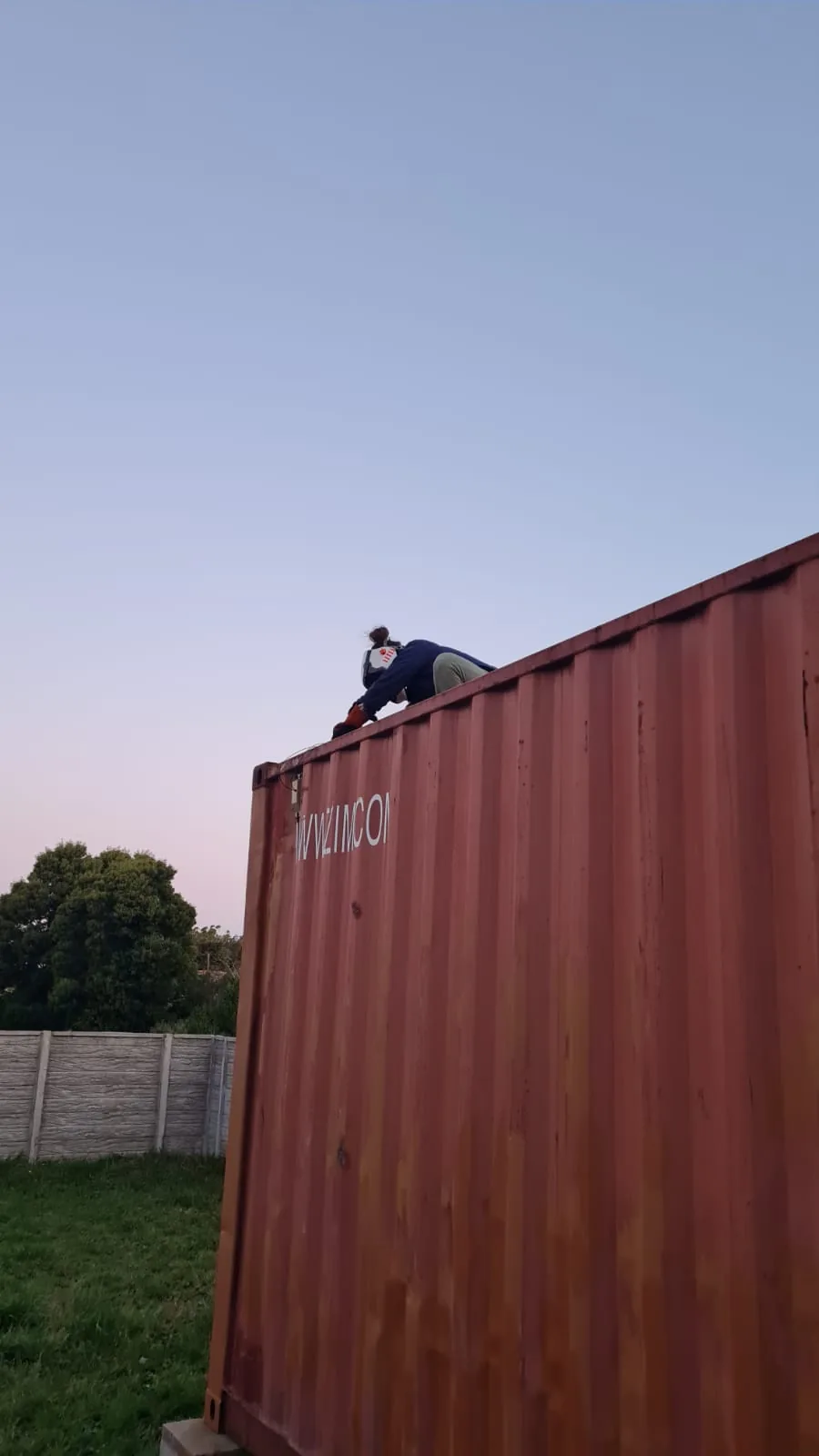
A 40-foot (12-metre) shipping container, set on concrete footings on a plot on the Argentine coast, surrounded by eucalyptus trees and coastal vegetation. This is the project's real starting point: the first bamboo skin will be built and measured here.
The container runs northwest to southeast, so its two long sides face northeast and southwest. The southwest side gets the low afternoon sun in summer; the northeast side gets the morning sun, the winter sun and the prevailing wind coming in from the sea.
That difference is the starting point of the parametric design: the spacing and curvature of the canes can respond to what each side receives. It's a hypothesis we'll measure on site.
Approximate diagram. It doesn't show the exact location of the plot.
Tallo follows a simple method: every idea is a hypothesis until we measure it.
The project plans to take part in Bamboo U × TierraMor 2027, an international training program in bamboo architecture, to bring that knowledge home, adapt it to our materials and conditions, and share it with the participating suppliers.
Planned training, subject to confirmed participation.
Part of Tallo's value is developing solutions by first understanding the materials and the capabilities of the people who produce them. There's no need to wait for a prototype to start the conversation.
We'll document every step (samples, prototypes and measurements) on this same page.
Aurysmar Guerra, project lead. I'd love to learn about your materials and what you do with them. I write in English and Spanish.
Write to hola@tallo.com.ar